





 English
  Francês
  Alemão
  Italiano
  Japonês
  Norueguês
  Portuguese
  Spanish
  5 min of reading


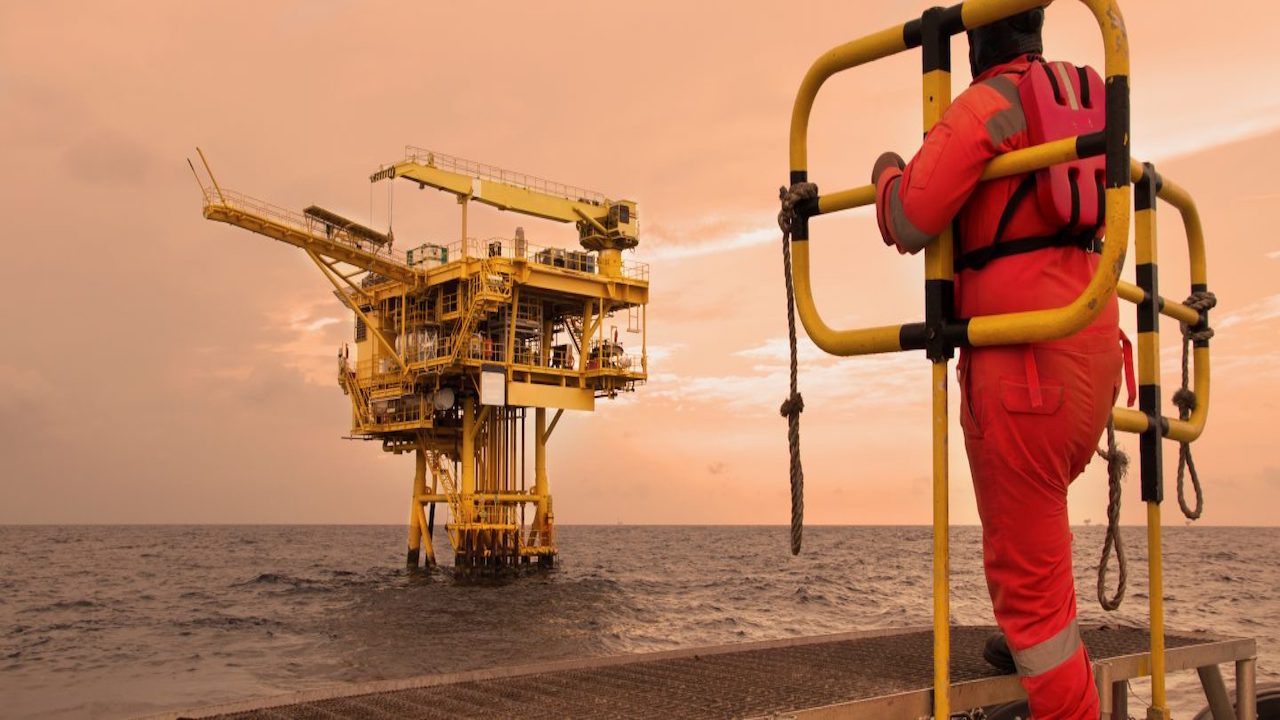
Oil-Dependent Countries Will Suffer From Energy Transition, But It Doesn’t Mean The Imminent End Of The Oil Industry
Ahmed Zaki Yamani, Saudi Arabia’s Minister of Oil, said a wise phrase: “The Stone Age didn’t end because of a lack of stone, and the age of oil will end long before the oil runs out.” This has been used in the energy sector as a warning for a world where oil and its derivatives are no longer the main fuel. The energy transition is a favorable goal for the planet, but what does it mean for oil-producing countries in Latin America? Brazil Raises About US$ 2 Billion In Last Pre-Salt Oil And Gas Auction.
Read Also
- Brazil Raises About US$ 2 Billion In Oil And Gas Auction
- ITA Is Accepting Applications For Free Online Courses With Certificates In Technology And Programming; Candidates Of Any Age From All Over Brazil Can Apply
- Subsea 7 Opens 48 Job Vacancies In RJ For Candidates Without Experience To Start Working Offshore In February In Its Oil And Gas Trainee Program
- ANP Auction Unites Petrobras, Shell, And Total For Exploration And Production Of Excess Volumes In The Atapu And Sépia Fields
- Brazilian Oil Company Enauta Reaches 20 Million Barrels Of Oil In Less Than Four Years Of Operation In The Atlanta Field, In The Santos Basin
COP26, held last month, where governments and companies around the world announced their desire to move towards zero greenhouse gas emissions, necessitating a global reduction of CO2 emissions by 45% by 2030, has made this foreboding increasingly imminent.
To Reach The Global Zero Emission Goal, A 75% Cut In Crude Oil Demand Will Be Necessary
There are some scenarios indicating that to achieve the zero emission goal, a 75% reduction in crude oil demand will be necessary from now until 2050, says Francisco Monaldi, director of the Latin American Energy Program at the Baker Institute at Rice University in the state of Texas. But there are other analysts who assess that there will be little fluctuation in demand and that by 2050, it will even be slightly above current levels.
-
Brazilian giant expands borders in the Southeast: Petrobras confirms new oil discovery in ultra-deep waters in the pre-salt of the Campos Basin.
-
Alert in the global energy market: Severe tropical cyclone hits the coast and disrupts gas production at major plants in Australia, threatening global supply.
-
Petrobras finds high-quality oil in the pre-salt at 113 km from RJ and reignites expectations about strategic reserves in the Campos Basin.
-
Ocyan opens registrations for startups focused on innovation in the oil and gas sector and will select projects for Innovation Day with the support of Nexio.


“This last scenario indicates that we will reach a demand peak and that, from there, it will start to decline, but obviously, it wouldn’t be a remotely catastrophic scenario. In any case, it is inevitable that the energy transition will occur and that the demand for oil will not continue to grow as it has in the past,” he adds.
The uncertainties surrounding the pace of the energy transition will affect, for example, the ease of obtaining resources to finance new oil and gas projects, as some require large sums and involve decades of production, with oil extraction lasting 20 or 30 years.
“Imagine, for example, a deep-water exploration project in the Gulf of Mexico. We will increasingly see less of this type of project. Those already underway, like Brazil’s in the Pre-Salt, will be developed, but new ones will face more difficulties.”
“Brazil, for example, has not performed well in the recent bidding rounds, partly because the risks have increased that winning bidders will end up with assets they invested heavily in but won’t be able to continue using due to the accelerating energy transition,” he evaluates.
Oil-Dependent Countries Will Suffer From The Energy Transition
Despite declining oil demand affecting all producers in the region, according to Monaldi, countries most dependent on oil such as Venezuela, Ecuador, and Colombia will be the ones to suffer the most from the global clean energy goal.
We can cite Venezuela, which for example, has 95% of its foreign exchange earnings from oil – this was exacerbated by the deepening crisis in the country, with a sharp reduction in production by the state-owned oil company PDVSA and the sanctions imposed by the United States.
In 2019, Ecuador’s oil sales totaled US$ 7.8 billion, 34% of the value of its exports. Colombia, on the other hand, saw its oil sales abroad amount to US$ 13 billion, equivalent to 32% of its exports, according to OEC data.
According to the expert, although they are not oil-dependent, the energy transition may also impact Mexico, Brazil, and Argentina, since the commodity plays a significant role in the economy, representing important export revenues, tax collection, and investments.
For Brazil, Monaldi says that the country has become “the major oil producer in Latin America,” with almost three million barrels per day, a number similar to that achieved by Venezuela and Mexico “in their heyday.”
“Brazil is not dependent on crude oil, but the size of Petrobras and its importance make it a relevant issue for the future,” he states.
In the case of Argentina, the expert highlights that the country has discovered unconventional oil reserves – known as shale oil – which have enormous potential but whose discovery coincides with this moment of energy transition.
Energy Transition Does Not Mean The Imminent End Of The Oil Industry
Despite the energy transition bringing doubts and uncertainties to oil investors, it does not signify the imminent end of the oil industry, which even in the current context, countries producing oil have some opportunities.
“The most reasonable scenarios indicate that a lot of oil will still be consumed in the next three decades. The countries that will succeed in continuing to produce and monetize the business are those that manage to do two things: first, become much more efficient and reduce production costs, and secondly, reduce their carbon footprint and other greenhouse gas emissions,” says Monaldi.
For the expert, the Brazilian oil giant Petrobras may succeed in this strategy due to its very productive deep-water wells, which favors the company from a carbon intensity perspective.
In his view, three factors will determine which projects will survive: costs, the intensity of greenhouse gas emissions, and the type of investment required, whether short-cycle or long-cycle.
“All these countries must prepare for this transition by taking advantage of the opportunities that lie within the logic of global climate change policy, while understanding that it is a declining business,” he warns.
by – Ángel Bermúde BBC News Mundo







Seja o primeiro a reagir!